Press Centre
Young Poles know more, but nearly half have never invested. New study by the WSE Foundation
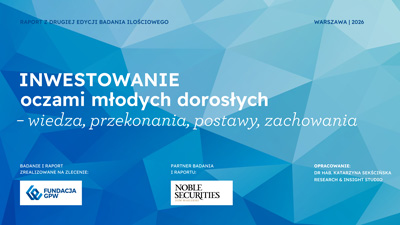
27-10-2026 15:46Over the past two years, the proportion of young adults with at least a basic knowledge of investing has risen by nearly half, from 31% to 44%. One in three respondents invests in the capital market, while almost half have never invested. These are among the findings of the second edition of the study “Investing Through the Eyes of Young Adults: Knowledge, Beliefs, Attitudes and Behaviour”, commissioned by the GPW Foundation in partnership with Noble Securities. The report was presented during the 6th Financial Education Day held at the Warsaw Stock Exchange.
The study shows that investment activity among young adults, defined as those aged 18–35, remains moderate. Currently, 35% of respondents invest, 12% have taken a break from investing but intend to return, and 5% have stopped investing despite having previous experience. The largest group, accounting for 48% of respondents, consists of people who have never invested.
“The findings show that young Poles know increasingly more about investing, but there is still a considerable gap between knowledge and taking action. Nearly half of respondents have never invested. This is why financial education should increasingly focus on planning for the future and building a sense of financial security. We want to show young people how to take their first steps consciously, understand risk and develop sound financial habits,” says Alina Bączar, President of the Management Board of the GPW Foundation.
Investing for security, not quick profits
The study portrays young investors as a cautious group for whom investing is primarily a way to build financial security. Some 56% of young adults invest mainly to avoid financial difficulties in the future, while 44% primarily point to financial freedom, pursuing their aspirations and building wealth. The most important investment objectives include securing their future, including retirement, protecting money against inflation, setting funds aside for future needs, and purchasing property.
Among those who already invest, 73% prefer the prospect of a lower return accompanied by lower risk, 74% favour a “small steps” approach to achieving their goals, and 62% report investing in different asset classes at the same time.
One of the report’s most encouraging findings is an increase in the actual level of investment knowledge. The proportion of respondents demonstrating basic knowledge of general investment principles increased from 31% in 2024 to 44% in 2026. At the same time, the average percentage of correct answers to questions concerning comparable investment instruments rose from approximately 28% to approximately 37%.
“The increase in investment knowledge is one of the most positive findings of this year’s study. At the same time, we are not seeing the gap between self-assessed and actual knowledge narrow. Young adults have a better understanding of investing, but they still tend to overestimate their knowledge of individual financial instruments. This is an important indication that financial education should develop not only knowledge itself, but also the ability to critically assess one’s own competence,” says Professor Katarzyna Sekścińska, author of the report, Research & Insight Studio.
The findings bear this out. On average, one in five young adults claims to have basic knowledge of investment instruments, although their test results do not confirm this self-assessment. The largest discrepancies concern equities (28%) and bonds (25%). A proper understanding of risk also remains a challenge. Young adults are best at identifying risk where it is strongly associated with a particular instrument. Cryptocurrencies and equities are most frequently perceived as carrying risk, cited by 46% and 44% of respondents respectively. Respondents are less successful in assessing less obvious risks, such as the loss of the real value of savings due to inflation. This remains an important area for financial education, particularly with regard to retirement products and protecting the value of savings.
AI is becoming part of investment education
Sources of financial knowledge are also changing. Family and friends remain the most frequently cited single source of information about investing, at 26%, but social media follow closely behind at 24%. Meanwhile, 15% of respondents identify generative artificial intelligence tools as one of their five most important sources of investment knowledge.
“Young investors are changing the way they seek knowledge. The fact that generative artificial intelligence is already one of the important sources of investment information for some of them demonstrates the scale of this shift. For financial market institutions, the message is very clear: we need to be where young people actually look for information, communicate in straightforward language and help them distinguish reliable knowledge from content that could lead to poor decisions,” says Eliza Dąbrowska, Director of Investment Advisory Services Development at Noble Securities.
Importantly, 87% of those who use generative AI to acquire investment knowledge say they always or usually verify the information they receive against other sources. Across the entire sample, 75% of young adults always or usually verify investment information, compared with 65% in 2024
Retirement products gain ground among young adults
The report also shows a marked improvement in perceptions of supplementary retirement saving solutions. Some 46% of respondents consider PPK (Employee Capital Plans) a worthwhile solution, compared with 37% two years ago. IKE (Individual Retirement Accounts) are viewed positively by 45% of respondents, up from 34% in 2024; IKZE (Individual Retirement Security Accounts) by 44%, up from 32%; and PPE (Employee Pension Programmes) by 39%, up from 31%.
PPK receives the most favourable assessments. Some 64% of respondents regard it as a good form of retirement security, 63% see it as financially worthwhile, 67% consider it straightforward, and 65% believe that it does not require specialist knowledge. At the same time, the report indicates that retirement products continue to be perceived more as a form of saving than investing.
Financial Education Day at the Warsaw Stock Exchange
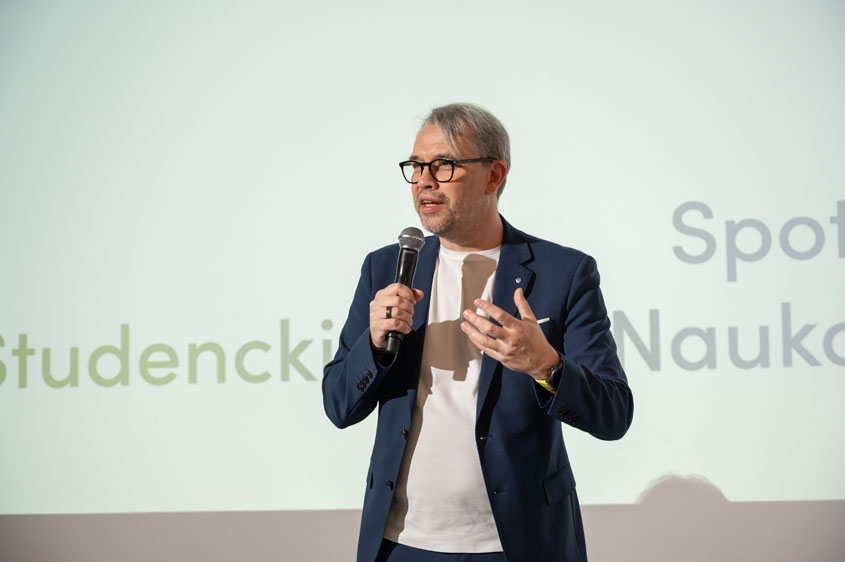
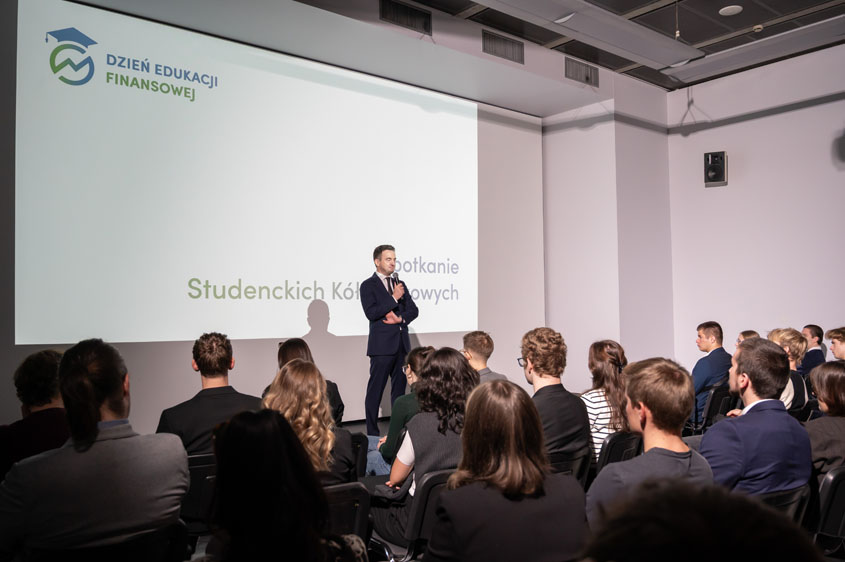
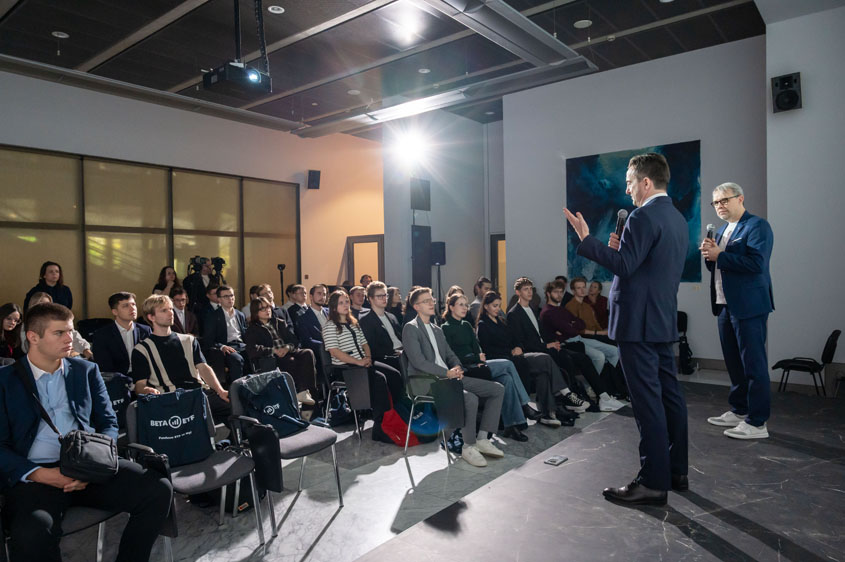
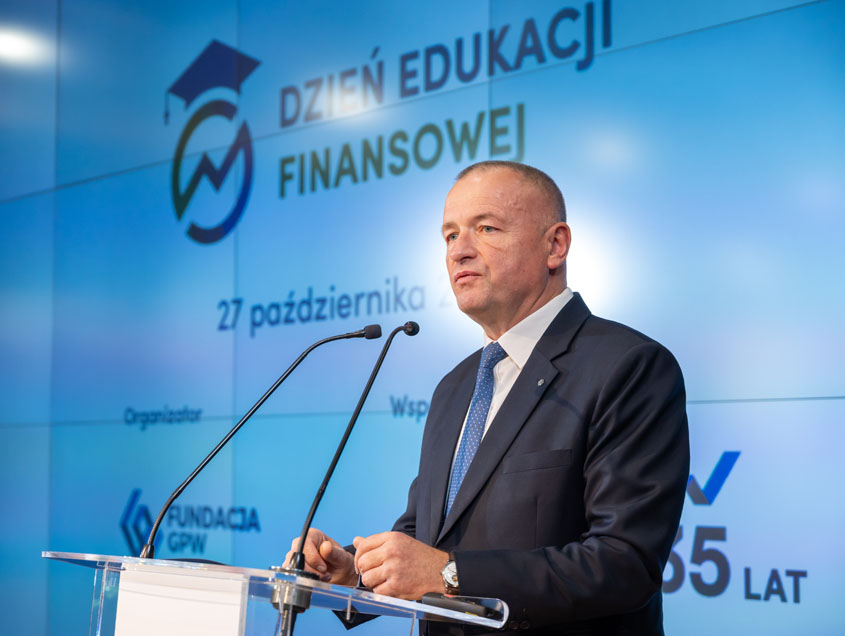
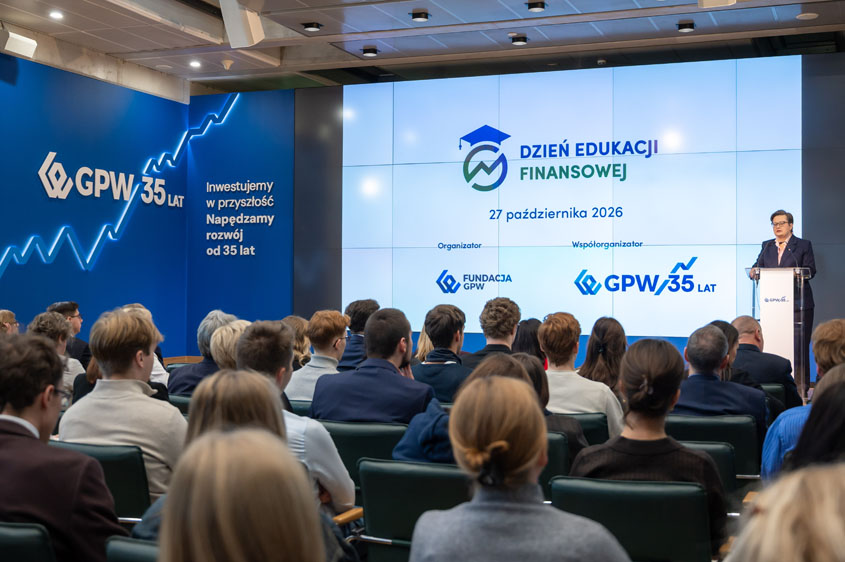
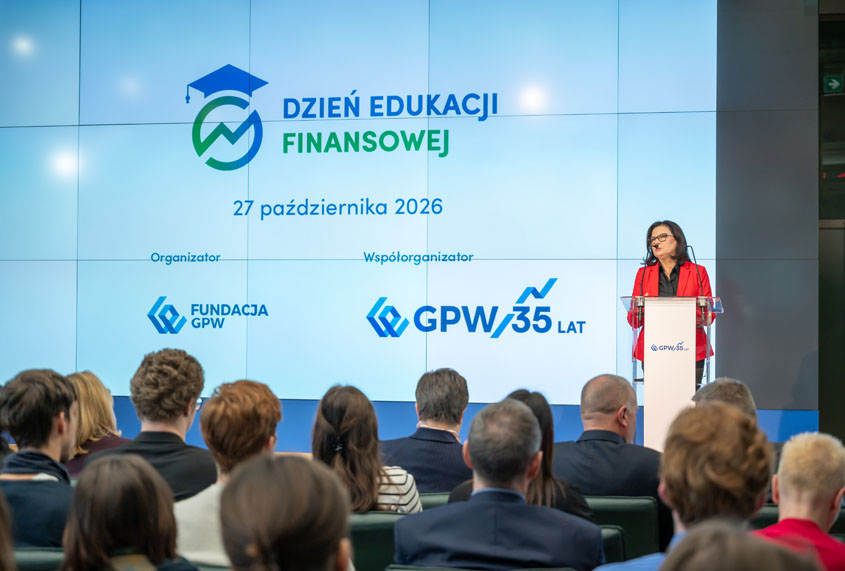
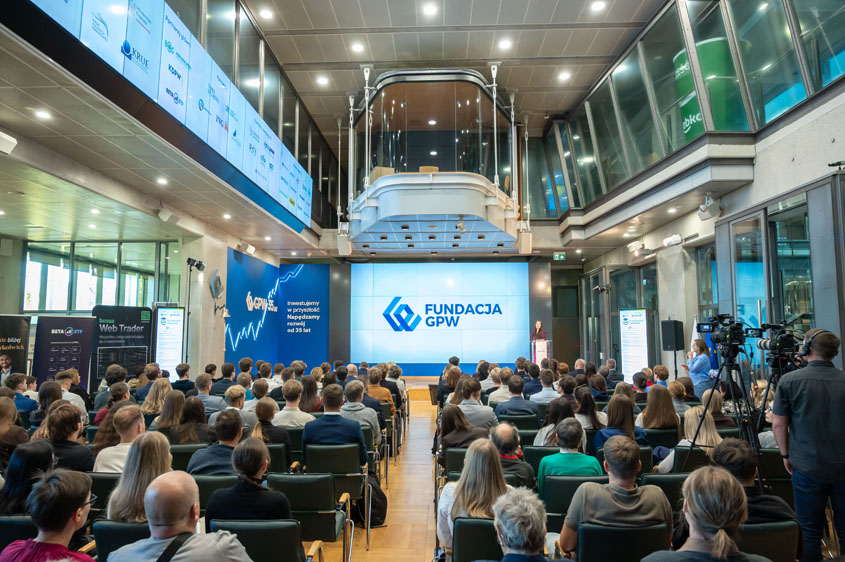
The findings of the report were presented during the 6th Financial Education Day, held on 27 October at the Warsaw Stock Exchange and online. The event was organised by the GPW Foundation and co-organised by the Warsaw Stock Exchange. The report’s conclusions provided the starting point for a debate entitled “From Financial Education to the Confidence to Make Your Own Investment Decisions.” The Financial Education Day programme also covered topics such as investing and saving, financial security, Personal Investment Accounts, retirement solutions, ETFs, bonds and the use of artificial intelligence.
Financial Education Day was held under the patronage of the Minister of Education, the Ministry of Finance, the Financial Education Council and the Conference of Rectors of Universities of Economics. The event forms part of the World Investor Week campaign, coordinated in Poland by the Polish Financial Supervision Authority (UKNF).
About the study
The study “Investing Through the Eyes of Young Adults: Knowledge, Beliefs, Attitudes and Behaviour” was conducted in August 2026 using the CAWI methodology on the Ariadna Nationwide Research Panel. It covered 1,100 employed Poles aged 18–35. The report was authored by Dr hab. Katarzyna Sekścińska of Research & Insight Studio. The study was commissioned by the GPW Foundation in partnership with Noble Securities.